
Every spring, an extraordinary thing happens across Japan. Offices close early. Parks fill with picnic blankets. Friends, families, and colleagues gather beneath clouds of pale pink blossoms to eat, drink, and simply sit together in the presence of fleeting beauty. Hanami — literally “flower viewing” (花見) — is one of Japan’s most beloved and ancient cultural traditions, a practice that stretches back over a thousand years and that tells us something profound about the Japanese relationship with time, beauty, and impermanence.
What is Hanami?
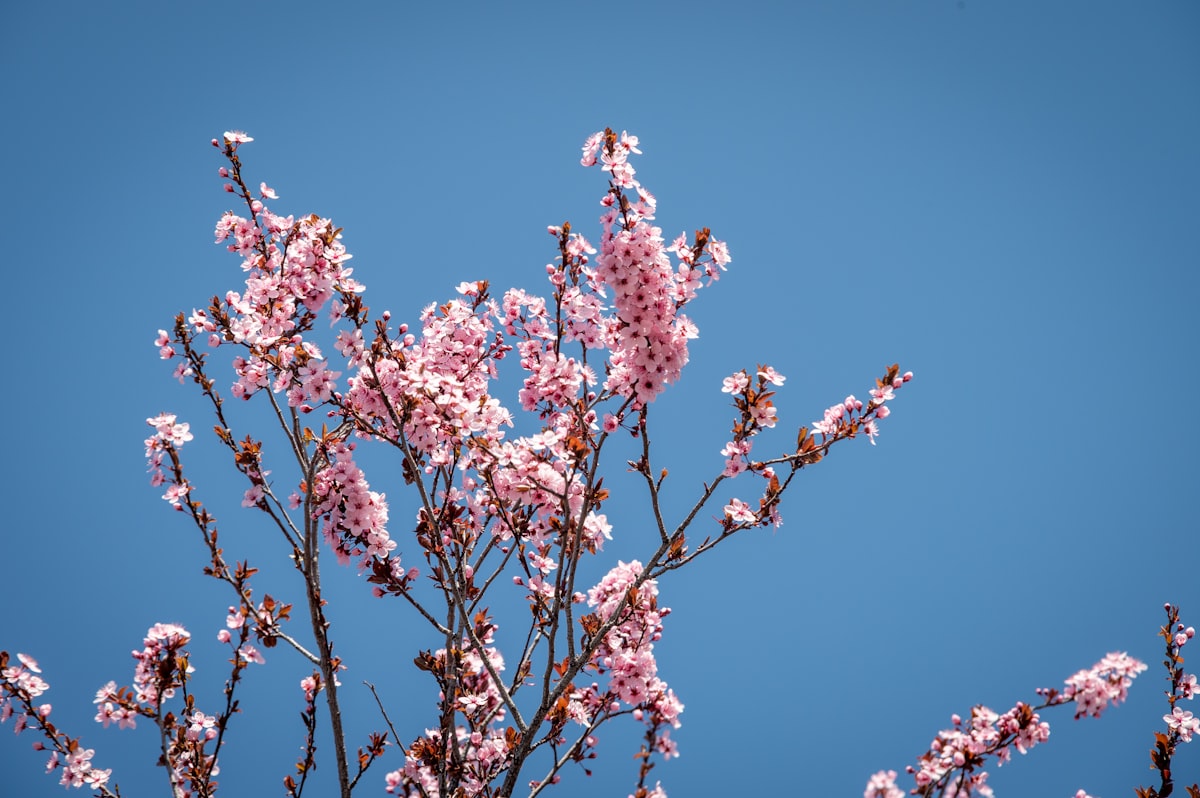
Hanami is the Japanese practice of gathering outdoors to appreciate the beauty of sakura (cherry blossoms) during their brief spring bloom. It is not a formal ceremony or a religious ritual — it is simply the act of being present with something beautiful, surrounded by people you care about, before that beauty passes. In Japan, the cherry blossom season typically lasts only one to two weeks in any given location, making each hanami gathering precious by definition.
Modern hanami typically involves picnicking under cherry trees with food, sake, beer, and bento boxes. Parks fill weeks in advance with groups claiming spots with blue tarps. cherry blossom forecasts (sakura zensen — the “cherry blossom front”) are broadcast on the news as seriously as weather forecasts, tracking the bloom’s northward progression from Kyushu to Hokkaido over six weeks.
A Thousand-Year Tradition
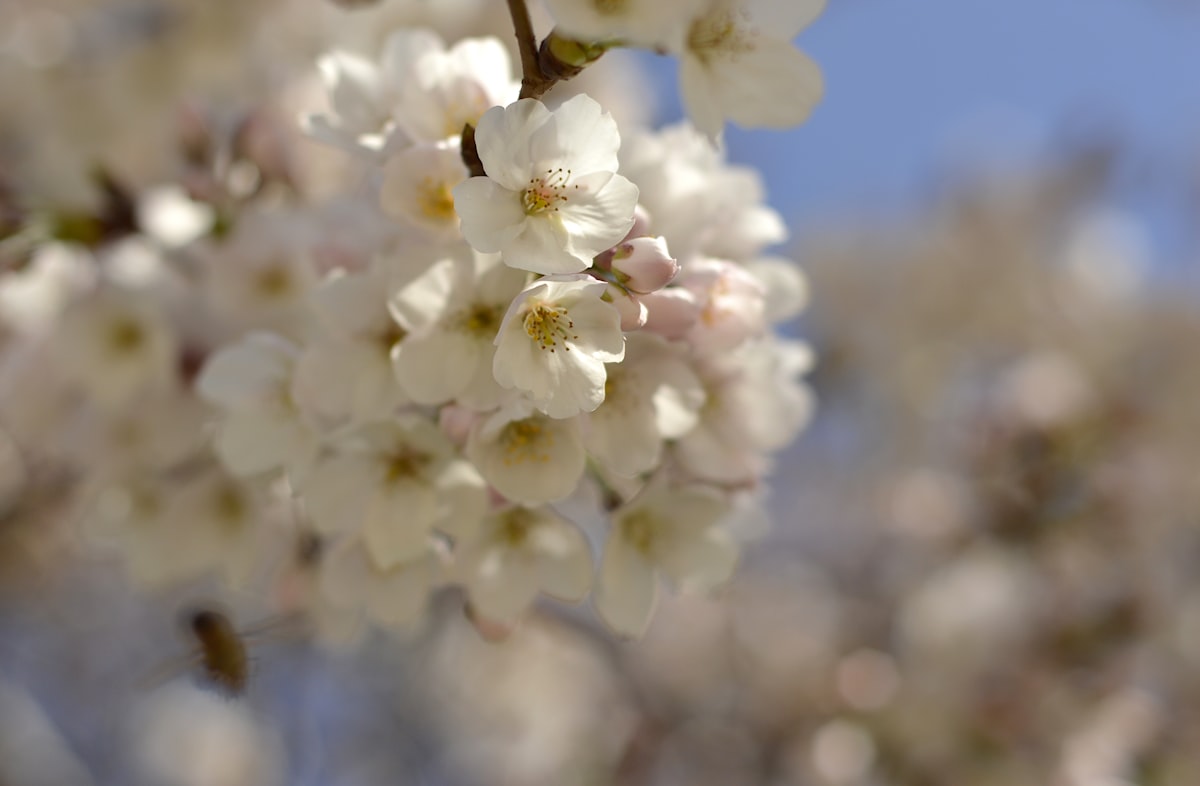
Hanami has been practised in Japan for over 1,200 years. The tradition is believed to have begun in the Nara period (710–794 CE), when Japanese aristocrats would gather to admire ume (plum) blossoms — the original flower of hanami. It was during the Heian period (794–1185 CE) that cherry blossoms displaced plum as the flower of choice, partly under the influence of Chinese culture and partly because of the sakura’s more dramatic, fleeting beauty.
Emperor Saga of the Heian Court is credited with establishing hanami as an imperial tradition around 812 CE, hosting elaborate flower-viewing parties beneath cherry trees at the Imperial Court in Kyoto. Poems composed at these gatherings were collected in the famous Man’yōshū anthology. Over the centuries, hanami gradually extended from the imperial court to the samurai class and eventually, during the Edo period (1603–1868), to the general population.
Mono no Aware: The Philosophy of Impermanence
To understand hanami deeply, you need to understand the Japanese concept of mono no aware (物の哀れ) — often translated as “the pathos of things” or “an empathy toward things.” It describes a bittersweet awareness of impermanence: the poignant beauty of things precisely because they do not last. The cherry blossom is mono no aware made visible. It is achingly beautiful, and it is gone in days.
This philosophical orientation — finding beauty in transience rather than being saddened by it — runs through much of Japanese aesthetics: in wabi-sabi (the beauty of imperfection), in the tea ceremony’s focus on the irrepeatable moment, and in haiku poetry’s attention to seasonal change. Hanami is mono no aware as a cultural practice: gathering to celebrate something specifically because it will not last.

Best Places for Hanami in Japan
- Maruyama Park, Kyoto: Home to Japan’s most famous weeping cherry tree, illuminated at night during the season
- Ueno Park, Tokyo: Over 1,200 cherry trees and the city’s most atmospheric hanami gatherings
- Hirosaki Castle Park, Aomori: One of Japan’s finest castle hanami settings, with 2,600 trees surrounding a feudal castle
- Philosopher’s Path, Kyoto: A canal path lined with 450 cherry trees, connecting two of Kyoto’s finest temples
- Yoshino, Nara: Over 30,000 cherry trees covering an entire mountain — Japan’s most dramatic sakura landscape
Yozakura: Hanami at Night
Yozakura (夜桜) — night cherry blossoms — is one of hanami’s most magical dimensions. Many of Japan’s most celebrated hanami sites are illuminated after dark during sakura season, transforming pink daytime beauty into something ethereal and ghostly. Maruyama Park in Kyoto, Chidorigafuchi in Tokyo, and Osaka Castle Park are especially famous for their yozakura displays. For many Japanese, a night hanami — with lantern-lit blossoms reflected in a still moat — is the single most beautiful sight their country offers.
Frequently Asked Questions
When is the best time to see cherry blossoms in Japan?
Cherry blossoms typically bloom from late March to mid-April in central Japan (Tokyo, Kyoto, Osaka). The season begins earlier in southern Japan (Kyushu — late March) and later in northern Japan (Tohoku and Hokkaido — late April to May). Peak bloom (mankai) typically lasts 5–7 days before petals begin to fall.
What do you eat and drink at hanami?
Traditional hanami food includes sakura mochi (pink rice cakes wrapped in cherry blossom leaves), onigiri (rice balls), tamagoyaki (sweet egg), and elaborate bento boxes. Drinks include sake (particularly nigori — cloudy sake — which pairs beautifully with the season), beer, and for non-drinkers, cherry blossom-flavoured teas and lattes.
How do Japanese people book hanami spots?
In a charming tradition, it is typically the most junior person in a work or friend group who is sent to the park early in the morning — sometimes before dawn — to lay out a blue tarpaulin sheet and “reserve” the spot for the group’s afternoon or evening gathering. This task, though unglamorous, is taken very seriously.
Hanami is more than a tourist attraction or a seasonal spectacle. It is a window into a way of seeing the world — one that finds the greatest beauty not in permanence but in the moment just before things pass. Explore more cultural traditions from around the world on CulturalDiaries.