
For most of human history, chocolate was drunk, not eaten. It was bitter, not sweet. And it was the exclusive preserve of priests, warriors, and kings — not a treat to be shared with children on Halloween. The cultural history of chocolate is the story of one of the most transformative substances in human history: a bitter, sacred Mesoamerican ritual drink that became an Aztec currency, a Spanish royal luxury, a European aristocratic obsession, and finally the world’s most universally loved food — all within four millennia.

Ancient Mesoamerica: The Sacred Drink
The story begins approximately 4,000 years ago in the tropical rainforests of Mesoamerica, where the cacao tree (Theobroma cacao — “food of the gods”) grew wild. Archaeological evidence from the Olmec civilization (1500–400 BCE) shows they were the first to cultivate and process cacao. The Maya developed an elaborate cacao culture: they fermented, roasted, and ground cacao beans into a bitter drink mixed with water, chilli, and achiote, poured between vessels to create a frothy texture. This drink — xocolātl — was consumed at religious rituals, funerals, marriage ceremonies, and as a tribute payment to rulers. Cacao pods appear on palace walls, pottery, and manuscripts as a symbol of life, fertility, and divine favour.
The Aztec Empire: Chocolate as Currency
For the Aztecs, cacao was so valuable it functioned as money. Hernán Cortés reported in 1519 that a slave could be purchased for 100 cacao beans, a rabbit for 10, and sexual services for 8-10. The Aztec emperor Montezuma II reportedly consumed 50 cups of cacao drink per day from golden goblets, which were discarded after a single use. When Spanish conquistadors arrived, they initially dismissed xocolātl as “a bitter drink for pigs.” It took returning to Spain and adding sugar, vanilla, and cinnamon before the European conquest of chocolate began.
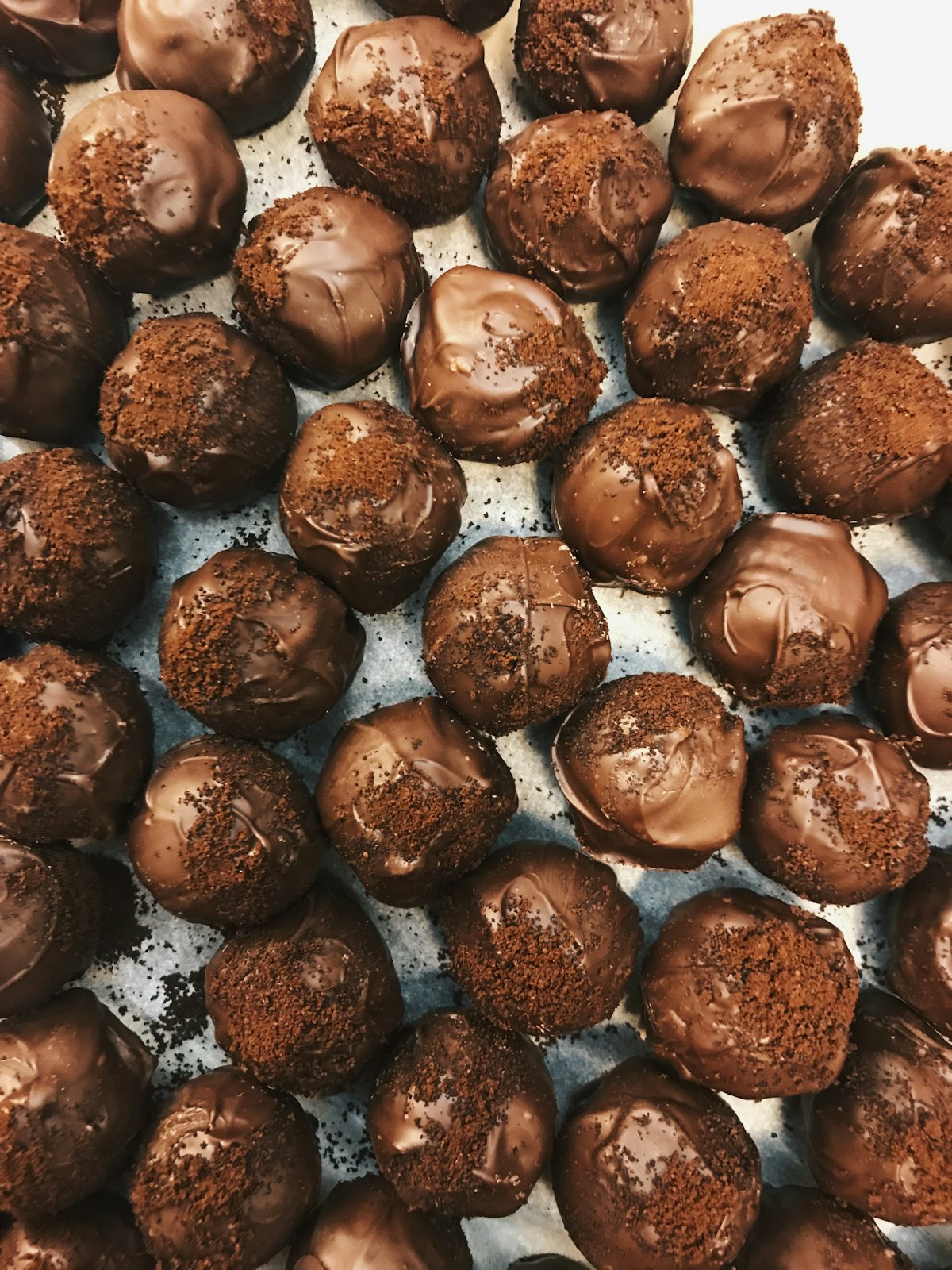
European Obsession: From Royal Courts to Cafés
Sweetened chocolate reached the Spanish court in the early 16th century and was initially kept as a Spanish state secret for nearly a century. When it spread to France (via the marriage of the Spanish Infanta María Teresa to Louis XIV in 1660), it became an aristocratic obsession. Chocolate houses in London, Paris, and Amsterdam served as gathering points for intellectuals, merchants, and politicians — the predecessor of the coffee house. In 1828, Dutch chemist Coenraad van Houten invented a press that separated cocoa butter from cocoa solids, making solid chocolate possible. In 1847, British company J.S. Fry & Sons created the first eating chocolate. In 1875, Daniel Peter added Henri Nestlé’s condensed milk to create milk chocolate. By 1900, chocolate had been democratised — available to anyone, everywhere.
Chocolate Today: A Global Industry
The global chocolate industry is worth approximately $130 billion annually. The world consumes approximately 7.5 million tonnes of chocolate per year. Switzerland leads in per capita consumption (approximately 10 kg per person per year), followed by Austria, Germany, and the UK. The world’s largest cacao producers are Côte d’Ivoire and Ghana — a significant historical irony, given that cacao originated in the Americas and was brought to West Africa by European colonisers using enslaved labour.
Frequently Asked Questions
Why is chocolate associated with love?
Chocolate’s romantic association began in the 18th century, when European physicians prescribed it as an aphrodisiac. The Aztecs associated cacao with Xochiquetzal, the goddess of fertility. The link was cemented commercially in the 19th century when Richard Cadbury introduced heart-shaped chocolate boxes for Valentine’s Day in 1868 — a marketing innovation that stuck for 150 years.
What country makes the best chocolate?
Switzerland and Belgium dominate the perception stakes, but many artisan chocolatiers argue that the source of the cacao — not the country of production — determines quality. Single-origin dark chocolate from countries like Madagascar, Ecuador (Arriba Nacional cacao), and Peru is increasingly recognised as the world’s finest.
chocolate is proof that the most ordinary pleasures have the most extraordinary histories. Explore more food culture stories on CulturalDiaries.