

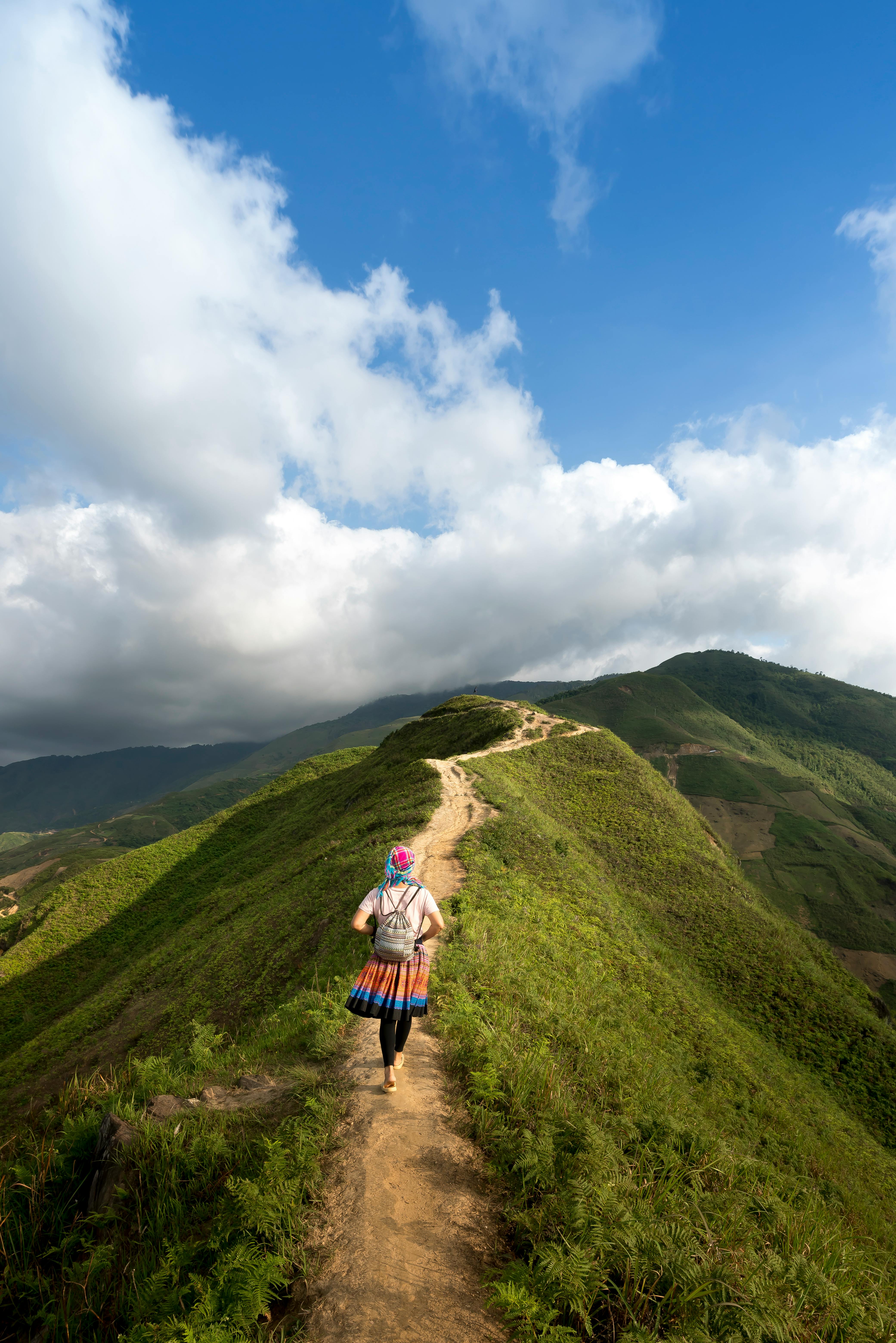
7 Days in Vietnam: Ha Long Bay, Ancient Towns, and Mekong Delta
Vietnam runs 1,650 kilometres from north to south, squeezed between mountains and sea, and every hundred kilometres the food changes, the dialect shifts, and the landscape reinvents itself. Seven days demands a choice: the whole country in a rush, or the north to the centre done properly. This itinerary takes the second approach — Hanoi’s French colonial streets, Ha Long Bay’s prehistoric seascape, the imperial grandeur of Hue, and the lantern-lit perfection of Hoi An — with enough time to actually understand each place.
Vietnam is an assault on the senses in the best possible way. The street food alone — pho, banh mi, cao lau, bun bo Hue — is worth the airfare. The country’s layered history of Chinese occupation, French colonialism, American war, and rapid modernisation is written in its architecture and its food simultaneously. Arrive hungry for both.
Quick Reference
| Best time to visit | November–April for most of the country; avoid July–August (typhoon season) |
| Currency | Vietnamese Dong (VND); $1 ≈ 25,000 VND |
| Language | Vietnamese; English widely spoken in tourist areas |
| Visa | E-visa available for most nationalities; 90-day single entry ~$25 |
| Getting around | Domestic flights between Hanoi and Da Nang; trains; sleeper buses |
| Budget (per day) | Budget: $25–40 | Mid-range: $60–100 | Luxury: $150+ |
| Tipping | Not obligatory but appreciated; 10% in restaurants, $1–2/day for guides |
Day 1: Hanoi — The City That Never Sleeps (Quietly)
Hanoi is one of Southeast Asia’s great walking cities — compact, dense, and utterly resistant to being photographed from a moving vehicle. The Old Quarter (Hoan Kiem district) organises itself around 36 ancient trade streets, each traditionally specialising in a single product: Hang Bac (silver), Hang Gai (silk), Hang Bo (bamboo baskets). The names survive even where the trades have moved on.
Eat breakfast at a street stall — banh cuon (steamed rice rolls with minced pork and wood ear mushrooms) is the Hanoian morning staple. Visit Hoan Kiem Lake and the red-painted The Huc bridge to Ngoc Son Temple on its island. In the afternoon, the Vietnam Museum of Ethnology is the best overview of the country’s 54 ethnic groups — essential context for everything you’ll see over the following week. End the evening on the famous Ta Hien beer street with a glass of bia hoi, freshly brewed street beer that costs roughly $0.25.
Day 2–3: Ha Long Bay — 1,969 Islands and Counting
Ha Long Bay — “Bay of the Descending Dragon” — contains 1,969 islands of limestone karst rising from jade-green water, eroded over 500 million years into towers, arches, caves, and floating villages. It is one of the world’s natural wonders and a UNESCO World Heritage Site. The only way to see it properly is from the water: book a two-day, one-night overnight cruise on a traditional wooden junk. Mid-range to luxury options are more worthwhile here than anywhere else in Vietnam — the quality gap between cheap and good is stark.
Day 2 itinerary on the water: kayak through sea caves, swim in emerald coves, visit Thien Cung Cave (Heavenly Palace Cave), its stalactites lit with coloured lights that are tacky in the best possible way. Watch the sunset from the junk’s sun deck as the karsts turn purple. Day 3: sunrise tai chi on deck, a floating fishing village tour, then return to Hanoi and evening flight to Da Nang.
Day 4: Hue — The Last Imperial Capital
An hour north of Da Nang by train or taxi, Hue was Vietnam’s imperial capital from 1802 to 1945 under the Nguyen dynasty — the last of Vietnam’s royal houses. The Imperial Citadel, modelled on Beijing’s Forbidden City but distinctly Vietnamese in its integration of garden, moat, and ceremonial architecture, covers 10 square kilometres inside a wall 10 metres high. Much was destroyed during the 1968 Tet Offensive; the ongoing restoration is one of Southeast Asia’s most ambitious heritage projects.
Outside the citadel: the elaborately decorated royal tombs scattered along the Perfume River (Minh Mang, Tu Duc, and Khai Dinh are the three most visited). Hue cuisine is Vietnam’s most sophisticated — bun bo Hue (spicy beef noodle soup), banh khoai (crispy shrimp pancakes), and com hen (baby clam rice) are all city-specific dishes unavailable in this form anywhere else in Vietnam.
Day 5–6: Hoi An — Lanterns, Tailors, and Ancient Trade
Hoi An was one of Southeast Asia’s most important trading ports from the 15th to 19th centuries, and its remarkably intact Old Town — a fusion of Vietnamese, Chinese, Japanese, and European architecture — has been a UNESCO World Heritage Site since 1999. No motor vehicles are permitted in the historic centre after dark, and when the lanterns are lit along the Thu Bon River at night, it becomes one of the most beautiful streetscapes in Asia.
The town has 40+ tailors who can custom-make clothing in 24–48 hours at remarkable prices — budget at least one morning for fittings. Eat at Phung Hung for cao lau (Hoi An’s signature noodle dish, made with water drawn only from a specific local well according to tradition) and white rose dumplings. Day 6: rent bicycles and ride to My Son Sanctuary, a complex of 4th–13th century Hindu temples built by the Cham kingdom — Vietnam’s pre-Vietnamese civilisation. Compact, overgrown, and haunting.
Day 7: Ho Chi Minh City — Fly South, End With Energy
Fly from Da Nang to Ho Chi Minh City (Saigon) and use your last day to experience Vietnam’s most kinetic city. The War Remnants Museum is mandatory — unflinching, difficult, essential. The Ben Thanh Market is the city’s commercial heart. Take an evening Mekong Delta boat tour from the city to see floating markets, orchid farms, and river villages as the day fades on an extraordinary week.
Cultural Etiquette in Vietnam
- Remove shoes at temples and homes: Look for a pile of shoes at the entrance and follow suit.
- Dress modestly at religious sites: Cover shoulders and knees. Temples often provide sarongs.
- Bargain in markets: Expected and enjoyable in street markets; fixed prices in shops and restaurants.
- Pointing with one finger is rude: Use your whole hand to gesture toward people or sacred objects.
- Offer and receive with two hands: When giving or receiving a gift, business card, or payment, use both hands.
- Don’t touch heads: The head is the most sacred part of the body; never pat a child (or adult) on the head.
Frequently Asked Questions
Is Vietnam safe for tourists?
Vietnam is one of Southeast Asia’s safest countries for travellers. Petty theft (bag snatching from motorbikes) is the main risk in cities — keep bags on your inside. Political crime is essentially zero risk for tourists, and the country is welcoming to visitors of all nationalities.
How do I get between cities in Vietnam?
Domestic flights are cheap ($30–60) and fast — the best option for long distances. The Reunification Express train between Hanoi and Ho Chi Minh City is a classic journey (30+ hours) but beautiful; use it for the Hanoi–Hue–Da Nang section in particular. Sleeper buses are the budget option.
What is the best time to visit Ha Long Bay?
October–April offers the clearest weather. May–September is typhoon season; boats still run but conditions can be rough and visibility poor. The bay is visited year-round — even in mist it is atmospheric — but October–April guarantees the best cruising conditions.