
7 Days in Norway: Fjords, Northern Lights, and Viking Culture
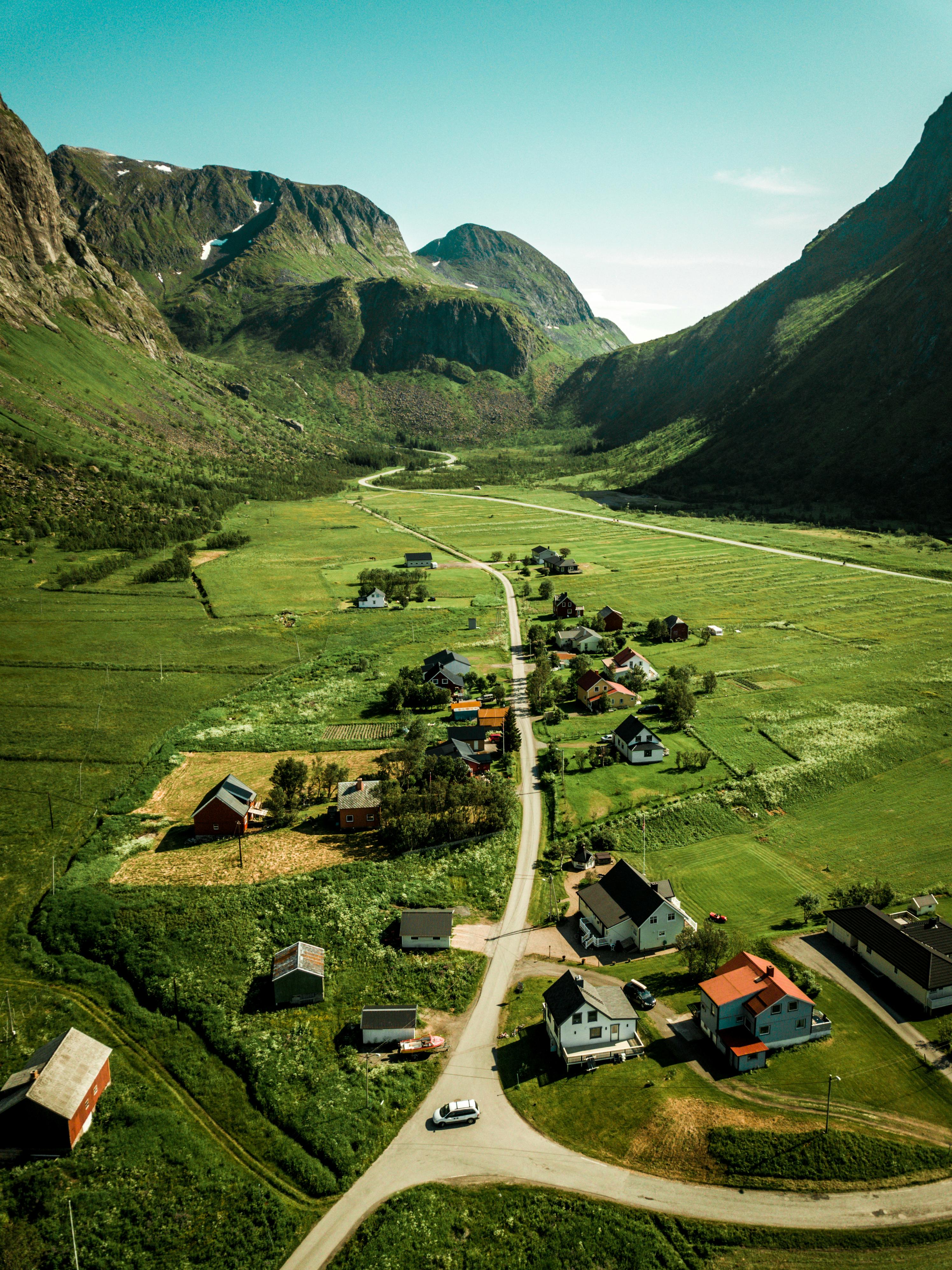
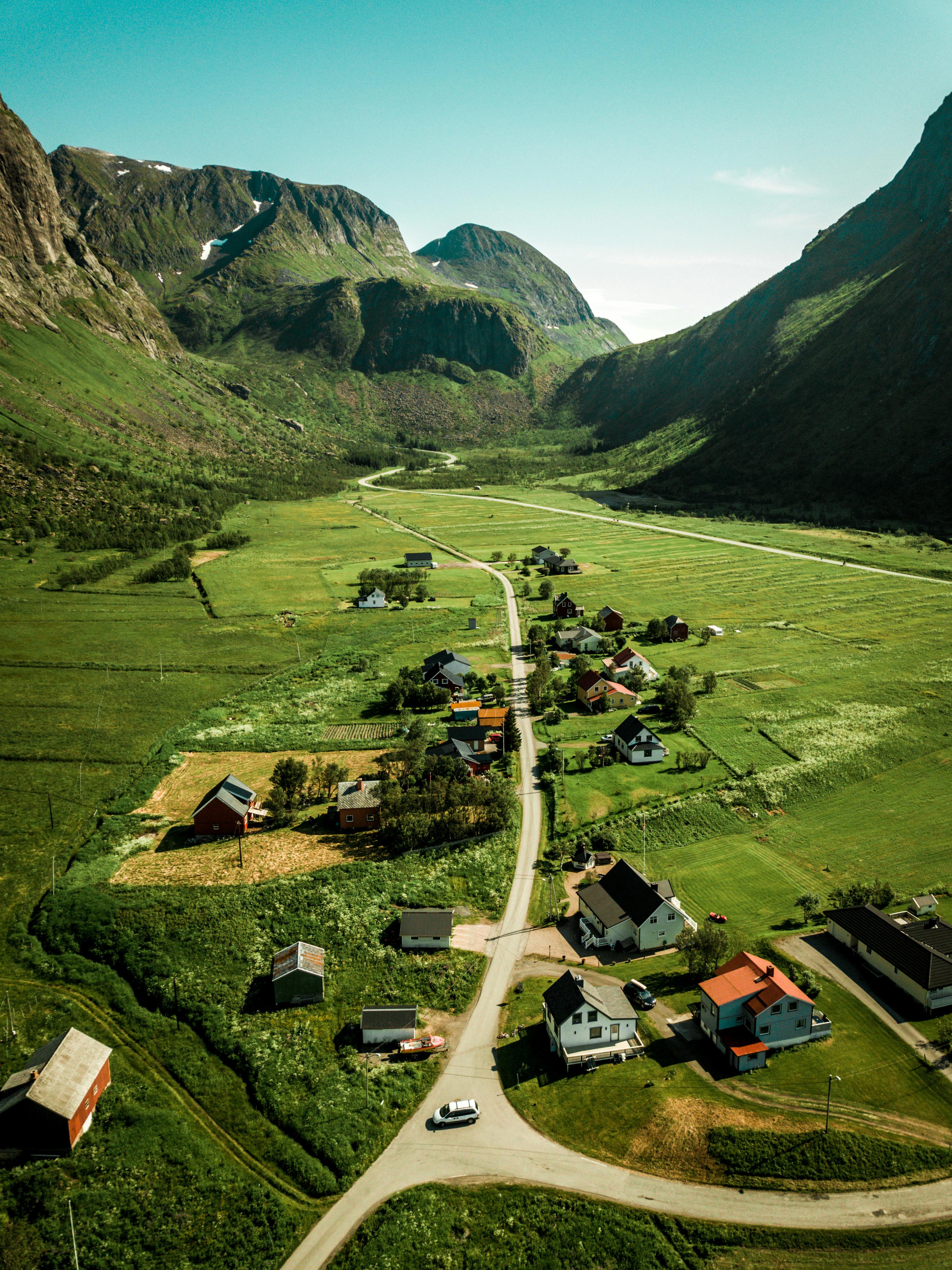
A Norway itinerary of 7 days takes you through one of Europe’s most dramatically beautiful countries — a nation of 50,000 islands, 1,190 fjords, and 300 days of Northern Lights opportunity above the Arctic Circle, where Viking longships were built from the same oak forests that still cover the hillsides today. Norway is expensive, magnificently designed, and possessed of a landscape so extreme — mountains dropping vertically into still water, glaciers retreating up valleys of ancient rock, waterfalls cascading hundreds of metres from plateau to sea — that it consistently stops experienced travellers in their tracks. This Norway itinerary covers the fjords of western Norway, the Arctic city of Tromsø for Northern Lights, and Oslo’s extraordinary museums.
The Viking cultural heritage that Norway shares with its Scandinavian neighbours is most visible and best preserved here — in Oslo’s world-class Viking Ship Museum and in the names of every fjord, mountain, and village, whose Norse roots connect modern Norway directly to the culture that shaped medieval Europe. Understanding the Vikings — not the Hollywood version but the actual seafaring merchants, explorers, and settlers — transforms the experience of standing in the same landscapes where they built their ships and sailed to Greenland and North America a thousand years before Columbus.
Norway Itinerary: Quick Reference
| Best time to visit | June–August (midnight sun, hiking); November–February (Northern Lights, winter landscapes) |
| Currency | Norwegian Krone (NOK); $1 ≈ NOK 10.5 |
| Language | Norwegian; English universally spoken (among Europe’s highest proficiency rates) |
| Visa | Schengen Area — visa-free for US (90 days), EU (free movement), UK (post-Brexit 90 days) |
| Getting around | Domestic flights; Bergen Line train; fjord ferries; car rental for flexibility |
| Budget (per day) | Budget: $100–150 | Mid-range: $200–300 | Luxury: $400+ |
| Note | Norway is one of Europe’s most expensive countries — plan budget accordingly |
Day 1–2: Bergen — Gateway to the Fjords
Bergen is Norway’s second city and its most atmospheric — a medieval Hanseatic trading port of colourful wooden houses climbing steep hillsides above a working harbour, surrounded on three sides by the seven mountains that give the city its defining silhouette. The Bryggen wharf — a row of Hanseatic wooden buildings dating to the 14th century, rebuilt after a series of fires but maintaining the original medieval street plan — is a UNESCO World Heritage Site and the finest surviving example of Hanseatic commercial architecture in Scandinavia.
Day 1: Walk Bryggen’s narrow alleyways (the buildings lean toward each other at the top, creating covered passages between them), visit the Hanseatic Museum inside one of the original 18th-century wooden merchant houses, and eat at the Fish Market (Fisketorget) — the finest seafood in western Norway, where you can eat whale sashimi, king crab, and fresh scallops at outdoor stalls overlooking the harbour. Take the Fløibanen funicular to the top of Mount Fløyen (320m) for views over the city and surrounding fjords.
Day 2 — Hardangerfjord Day Trip: Norway’s second-longest fjord (179 km) is accessible by ferry and local bus from Bergen. The Hardangerfjord in spring is famous for its apple blossom — thousands of orchards along the fjord’s edge flowering simultaneously. In summer, the waterfalls are at their most powerful: the Vøringsfossen drops 182 metres into the Måbødalen valley in a cascade visible from the viewing platforms above. The Hardanger Bridge (2013), at 1,380 metres the longest suspension bridge in Scandinavia, crosses the fjord at a point that makes the scale of the landscape unmistakably clear.
Day 3: Geirangerfjord — Norway’s Most Famous View
Take the Scenic Route by bus and ferry from Bergen to Geirangerfjord — a UNESCO World Heritage fjord of extraordinary drama, its 15 km of water flanked by cliffs rising 1,400 metres directly from sea level, lined with abandoned farmsteads clinging to impossible ledges, and crossed by the waterfalls of the Seven Sisters (seven separate falls), the Suitor, and the Bridal Veil. The ferry journey through the fjord from Hellesylt to Geiranger (1 hour) is simply the finest boat ride in Europe. In the village of Geiranger, the Eagle Road viewpoint above the fjord provides the classic aerial view that has made this the most photographed fjord in Norway.
Day 4–5: Tromsø — Northern Lights and Arctic Culture
Fly from Ålesund or Bergen to Tromsø (1.5–2 hours) — a city of 75,000 people on an island in the Arctic Ocean, 350 km north of the Arctic Circle and the world’s premier destination for Northern Lights viewing. The Aurora Borealis is visible from Tromsø between October and March whenever skies are clear and solar activity is sufficient. According to atmospheric scientists, Tromsø sits in the auroral oval — the ring around the magnetic pole where charged particles from the sun most frequently collide with the atmosphere, producing the light display. On a strong night, the sky turns entirely green, then purple and red, in curtains that move like slow fire.
Day 4 — Aurora Hunt: Book a guided Northern Lights tour (essential — local guides track real-time weather and aurora forecasts to find the best viewing location, often driving 1–2 hours from the city). Reindeer sledding with Sami reindeer herders north of Tromsø is an extraordinary experience regardless of whether the lights appear. The Arctic Cathedral (Ishavskatedralen), Tromsø’s most architecturally striking building — a triangular concrete and glass structure reflecting the forms of Arctic glaciers — is worth visiting on any evening the lights don’t perform.
Day 5 — Sami Culture: The Sami — the indigenous people of northern Scandinavia, Finland, and the Kola Peninsula of Russia — have herded reindeer across the Arctic for 10,000 years. Tromsø has several Sami-run cultural centres where visitors can learn about joik (traditional Sami singing), reindeer ecology, traditional clothing (gakti), and the political struggle for indigenous rights that continues today. The Tromsø University Museum also houses a significant collection of Sami cultural artefacts and natural history exhibits.
Day 6–7: Oslo — Viking Ships and World-Class Museums
Fly from Tromsø to Oslo (2 hours) for the final two days. Oslo is a compact, walkable capital of 700,000 people on a fjord — sophisticated, expensive, and possessed of museum collections that would shame cities ten times its size.
Day 6 — Viking Ship Museum: The Viking Ship Museum on the Bygdøy peninsula houses three actual Viking ships excavated from burial mounds in the late 19th and early 20th centuries — the Oseberg Ship (834 CE), the Gokstad Ship (900 CE), and the Tune Ship. The Oseberg Ship in particular is one of the finest surviving examples of Viking Age craftsmanship: 22 metres long, its prow carved into an intricate spiral, excavated with its full cargo of furniture, textiles, sledges, and two women — one likely a queen — buried inside. Standing beside it in the museum’s high-ceilinged hall is one of the most direct connections available to the Viking Age. The adjacent Kon-Tiki Museum (Thor Heyerdahl’s 1947 Pacific raft) and Fram Museum (Polar exploration ship) complete a day of Norwegian maritime heritage.
Day 7 — Oslo City: The National Museum (opened 2022, Scandinavia’s largest art museum) houses Edvard Munch’s The Scream in a purpose-built room that contextualises the painting within Munch’s full oeuvre and Norway’s cultural history. The Vigeland Sculpture Park — 212 bronze and granite sculptures by Gustav Vigeland installed in a formal park, including the famous Monolith of 121 intertwined human figures — is the world’s largest sculpture installation by a single artist and one of Oslo’s most extraordinary public spaces. Fly home from Oslo Airport with new respect for what a small northern country can produce.
You Might Also Enjoy
- Viking Traditions: The Ancient Norse Way of Life That Still Shapes the World
- 10 Days in Iceland: Fire, Ice and Norse Culture
- Midsommar: Sweden’s Midsummer Festival and the Most Pagan Night in Europe
- The Faroe Islands: Europe’s Most Remote and Breathtaking Destination
- Most Culturally Rich Countries to Visit in 2026