
No other food has shaped a civilisation — or many civilisations — as profoundly as rice has shaped Asia. For over 10,000 years, rice cultivation has determined where Asian peoples could live, how their societies were organised, what their governments controlled, how they worshipped, and what they ate. The cultural significance of rice in Asia cannot be overstated: it is simultaneously a food, a currency, a sacrifice, a measure of status, a divine gift, a national symbol, and a civilisational foundation upon which the societies of East and Southeast Asia have been built, layer by layer, over millennia.
The Origin of Rice: China’s 10,000-Year Gift
Rice (Oryza sativa) was first domesticated in the Yangtze River Delta region of China approximately 10,000 years ago — making it one of the world’s oldest cultivated crops. Archaeological evidence from sites like Kuahuqiao in Zhejiang province reveals that early Chinese farmers had already developed sophisticated understanding of rice cultivation, including the ability to distinguish between and selectively breed different varieties. From China, rice cultivation spread southward into Southeast Asia and westward into South Asia over several millennia, following the great river valleys that provided the water necessary for wet-rice agriculture.
The agricultural revolution enabled by rice is difficult to overstate. Wet rice cultivation (paddy farming) produces caloric yields per hectare that are significantly higher than any alternative grain in tropical and subtropical climates — allowing the support of dense human populations that would be impossible without it. The great civilisations of East and Southeast Asia — China, Japan, Korea, Vietnam, Cambodia, Thailand, Indonesia — all arose in rice-growing regions, and their social, political, and cultural structures were fundamentally shaped by the requirements and rewards of rice agriculture.
Rice in Japanese Culture: From Divinity to National Identity
In Japan, rice is not merely a food — it is a divine substance. The Shinto creation myth holds that the sun goddess Amaterasu gave rice to her grandson Ninigi-no-Mikoto when he descended to earth, commanding him to cultivate it. The Japanese Emperor still performs an annual rice planting ceremony at the Imperial Palace in Tokyo, personally planting and harvesting a small rice paddy — a ritual that has been performed without interruption for at least 1,300 years. The Emperor also offers the first rice of each harvest to Amaterasu at the Grand Shrine of Ise in the annual Kannamesai ceremony.
The Japanese word for cooked rice — gohan — is also the word for “meal.” Not coincidentally: in traditional Japanese culture, a meal without rice was not truly a meal. The distinctive Japanese short-grain rice, with its characteristic stickiness that allows it to be eaten with chopsticks, is so specific to Japanese culinary culture that many Japanese people experience a strong emotional response to the smell of fresh rice — an olfactory trigger of home, family, and cultural identity.
Rice and Religion: Sacred Grain Across Traditions
Across Asian religious traditions, rice plays a central and often sacred role:
- Hinduism: Rice is present at every major life event — birth ceremonies (annaprashana, the first feeding of rice to a baby), weddings (throwing rice at the bride and groom symbolises prosperity and fertility), and death rituals (rice balls are offered to ancestors). Annapurna, the goddess of food and nourishment, is depicted holding a bowl of rice.
- Buddhism: The Buddha famously rejected extreme asceticism when a young woman named Sujata offered him a bowl of rice pudding (kheer) — allowing him to gain the strength to achieve enlightenment. Rice offerings are made at Buddhist temples throughout East and Southeast Asia. Rice is used in merit-making ceremonies across Thailand, Myanmar, Cambodia, and Laos.
- Bali (Agama Hindu Dharma): The Balinese Hindu tradition treats rice as a manifestation of the god Dewi Sri (rice goddess). Every Balinese temple contains a small shrine dedicated to Dewi Sri, and rice field rituals punctuate the agricultural calendar. The elaborate Balinese irrigation system — the subak — is managed through temple networks whose decisions are made by priests, not governments.
- Shintoism: Rice is the primary offering in Shinto ceremonies. Sake (rice wine) and mochi (pounded rice cake) are the essential ritual foods of Japanese Shinto observance.
Rice and Social Structure: The Politics of the Paddy
Historian Karl Wittfogel’s “hydraulic civilisation” thesis argues that the management of large-scale irrigation systems — required for wet rice cultivation — necessitates centralised political control, creating what he called “Oriental despotism.” While Wittfogel’s thesis has been critiqued and modified, there is strong evidence that the cooperative requirements of wet rice cultivation (controlling water, preventing flooding, coordinating planting and harvesting) contributed to the development of strong collective social structures and state authority throughout rice-growing Asia.
More recently, psychologist Richard Nisbett has argued that paddy rice cultivation, requiring intensive collective labour and community cooperation, may have contributed to the more collectivist social psychology that characterises many East Asian cultures — as compared to the more individualistic psychology found in wheat-growing regions where less cooperative labour is required. While this “rice theory” remains contested, it offers a fascinating perspective on how agricultural choices might shape cultural psychology across generations.
Rice Varieties: A World of Cultural Specificity
There are approximately 40,000 varieties of rice cultivated worldwide — a diversity that reflects millennia of agricultural adaptation to different climates, soils, and culinary preferences. Each variety is culturally specific:
- Japanese short-grain (Koshihikari, Akitakomachi): Sticky, slightly sweet, polished white — the foundation of Japanese cuisine, sushi, and onigiri
- Thai jasmine (Hom Mali): Long-grain, fragrant, slightly sticky — the national rice of Thailand, central to Thai identity
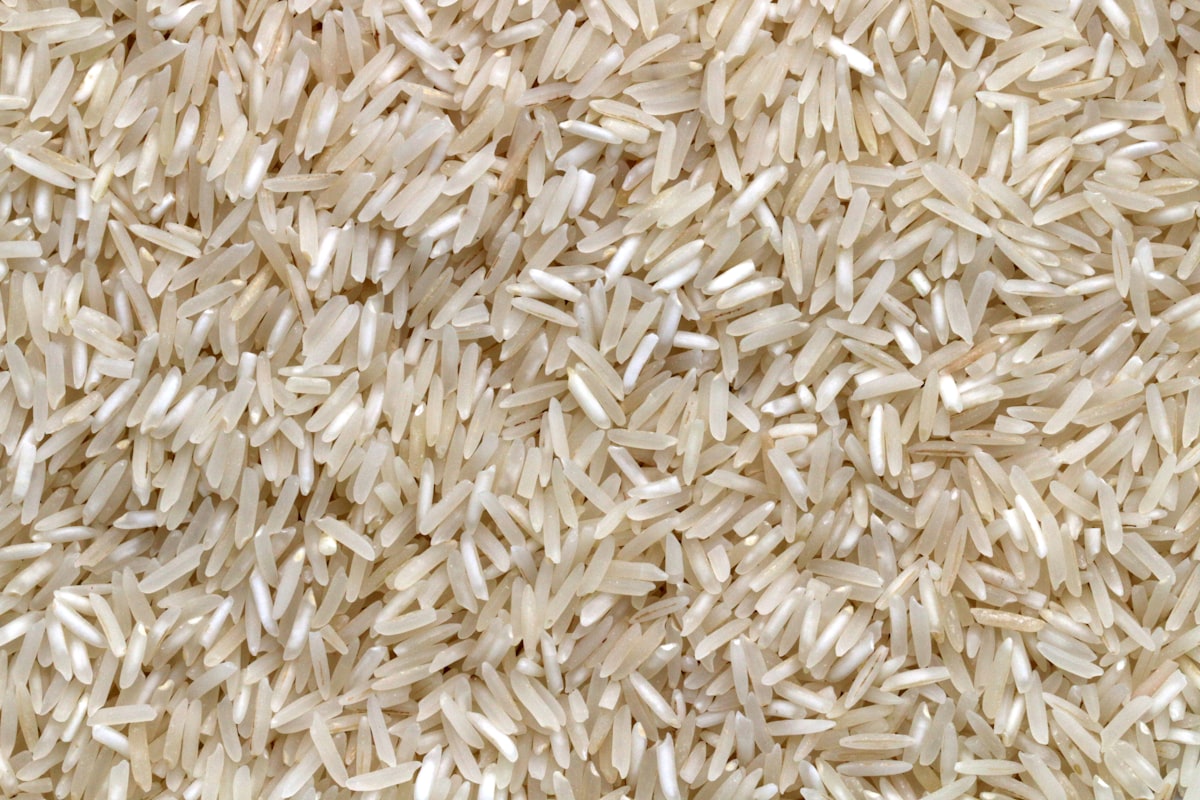
- Indian Basmati: Long-grain, aromatic, separate grains when cooked — essential to biryani and the cuisines of the Subcontinent
- Glutinous/sticky rice: High-amylopectin content makes it extremely sticky — essential for Thai and Lao sticky rice (khao niao), Japanese mochi, and Chinese zongzi dumplings
- Black/purple rice: Unpolished varieties rich in anthocyanins — used in ceremonial and festive preparations across Southeast Asia and China
Frequently Asked Questions
Why is rice so central to Asian culture?
Rice cultivation was the primary caloric and economic foundation of Asian civilisations for thousands of years — determining population density, social organisation, political authority, and religious practice. Its centrality is not merely dietary but existential: civilisations grew where rice grew, and the cultural practices that emerged in those civilisations were shaped by the rhythms, requirements, and rewards of rice cultivation.
Which country eats the most rice?
China is the world’s largest rice consumer by total volume. Bangladesh and Myanmar have the highest per-capita rice consumption. Japan, despite its intense cultural connection to rice, has seen per-capita consumption decline significantly since the 1960s as Western dietary influences and urbanisation have diversified Japanese diets.
Rice is not just food — it is the medium through which a dozen of the world’s great civilisations have expressed their relationship with the divine, with each other, and with the natural world. Explore more food culture on CulturalDiaries.