
Walk through the medina of Marrakech or Fez at dusk and your senses are immediately overwhelmed: the scent of cumin and coriander drifting from a tagine simmering on a charcoal brazier, the sweet smoke of argan oil, the sharp perfume of preserved lemons, the yeasty warmth of bread fresh from a communal oven. Moroccan cuisine is one of the world’s great food cultures — a centuries-long fusion of Berber, Arab, Andalusian, Saharan, and Mediterranean influences that has produced a culinary tradition of extraordinary complexity, colour, and depth.

The Cultural Roots of Moroccan Food
Moroccan food is a living archive of the country’s history. Its foundations are Berber — the indigenous people of North Africa who developed techniques like slow-cooking in clay tagines and couscous-making that remain central to Moroccan cuisine today. To these foundations were added Arab spice traditions following the Islamic conquest in the 7th century, the refined cooking techniques of Andalusian Muslims expelled from Spain in 1492, trade connections with sub-Saharan Africa bringing saffron and dates, and Ottoman influences from the north.
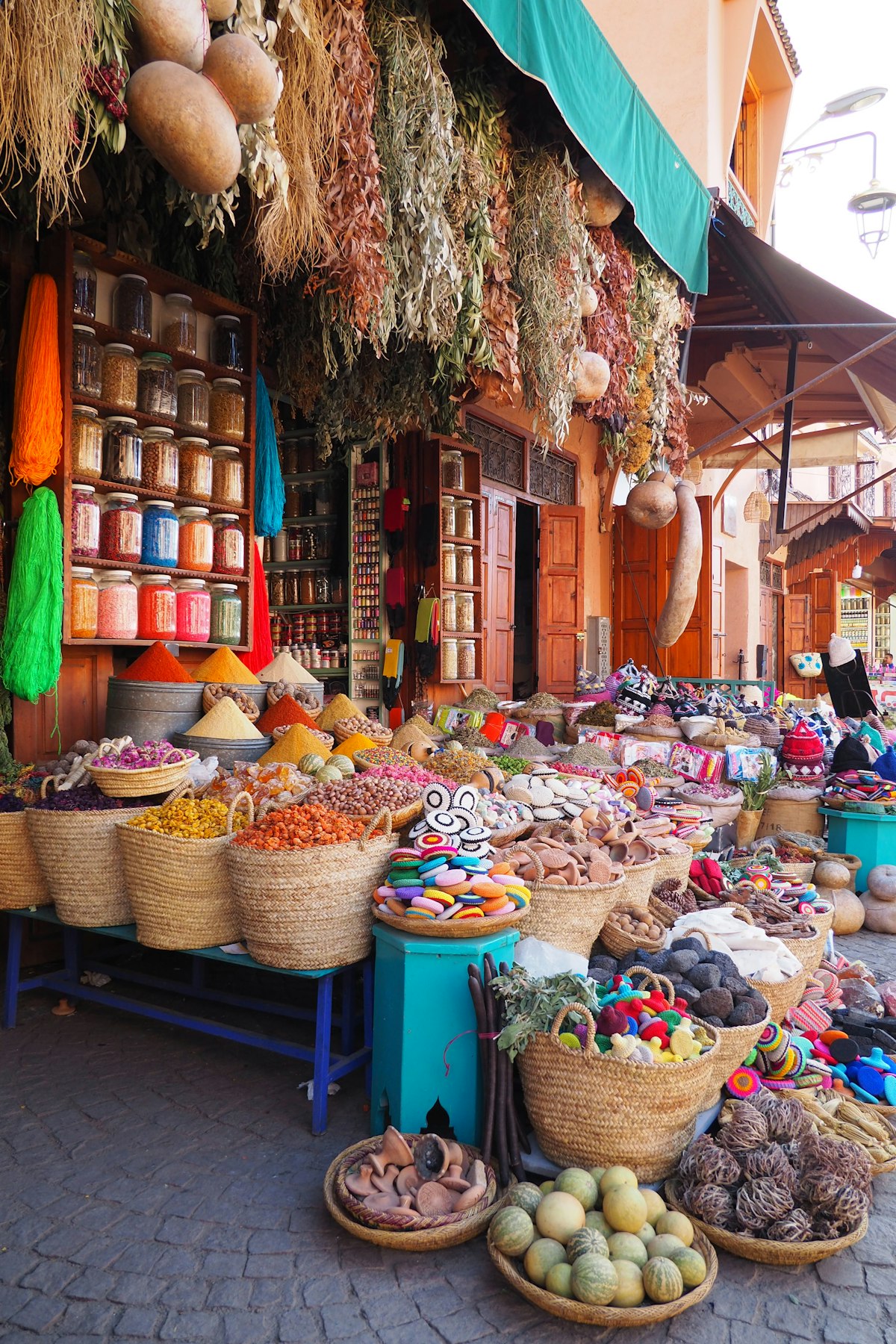
The result is a cuisine that uses spice not to add heat but to build extraordinary aromatic complexity. Where chilli heat dominates many of the world’s spiced cuisines, Moroccan food relies on ras el hanout — a blend of up to 30 spices — to create flavours that are simultaneously warm, sweet, earthy, and floral, without ever being aggressive.
The Tagine: More Than a Dish
The tagine is both a cooking vessel and a method — and it is the heart of Moroccan cuisine. The conical clay lid traps steam, creating a self-basting environment that slow-cooks meat, vegetables, and fruit together until they meld into something greater than their parts. The most celebrated tagines include:
- Lamb with prunes and almonds — the sweet-savoury combination that defines Moroccan cooking at its most sophisticated
- Chicken with preserved lemons and olives — the most universally loved Moroccan dish, its brininess balanced by the slow-cooked chicken
- Kefta (minced lamb) with eggs and tomato — a richer, more robust preparation popular for breakfast and lunch
- Fish chermoula — coastal Moroccan cooking at its finest, fish marinated in chermoula (coriander, cumin, paprika, preserved lemon) before slow-cooking
Couscous: The Friday Ritual
If the tagine is Morocco’s most versatile dish, couscous is its most sacred. Traditionally eaten every Friday — the day of Islamic communal prayer — couscous is prepared by steaming semolina granules three times over a broth, producing a dish of remarkable lightness that bears no resemblance to the quick-cook versions sold outside Morocco. It is served with a broth of seven vegetables (carrots, turnips, courgettes, pumpkin, chickpeas, onion, tomato), slow-cooked lamb or chicken, and topped with caramelised onions and raisins. UNESCO inscribed couscous-making as an Intangible Cultural Heritage in 2020 — recognising it as a shared cultural practice across North Africa.
The Spice Architecture of Moroccan Cooking
Moroccan food cannot be understood without understanding its spices. The essential ones include:
- Ras el hanout — the master blend; every spice merchant has a different version
- Cumin — used in almost every savoury dish; the baseline note of Moroccan cooking
- Coriander — both seed and leaf, used generously
- Saffron — from the Taliouine region, Morocco is one of the world’s great saffron producers
- Preserved lemons — not a spice, but an essential flavour: salted, fermented lemon rind that adds a deep, brine-sharp complexity
- Argan oil — from the argan trees of the Souss Valley, used both in cooking and as a finishing oil
Moroccan Food as Hospitality
In Morocco, food is an act of love and a social institution. The tradition of diffa — the ceremonial Moroccan feast offered to guests — involves a sequence of dishes that might include pastilla (a flaky pastry of pigeon or chicken with almonds and icing sugar), multiple tagines, couscous, and an array of sweets. A guest who finishes everything risks causing concern — the host may worry they did not prepare enough. Abundance is a moral statement in Moroccan hospitality culture.
Frequently Asked Questions
What is Morocco’s national dish?
Couscous is widely considered Morocco’s national dish, particularly because of its Friday ritual significance. Tagine is perhaps more internationally recognised, but within Morocco, couscous holds a deeper cultural status.
Is Moroccan food spicy (hot)?
Not typically. Moroccan cuisine is deeply spiced — meaning aromatic and complex — but rarely hot in the chilli sense. The exception is harissa, a chilli paste used as a condiment rather than a primary cooking ingredient. Most Moroccan dishes are accessible to people who cannot tolerate heat.
What is the best city to eat in Morocco?
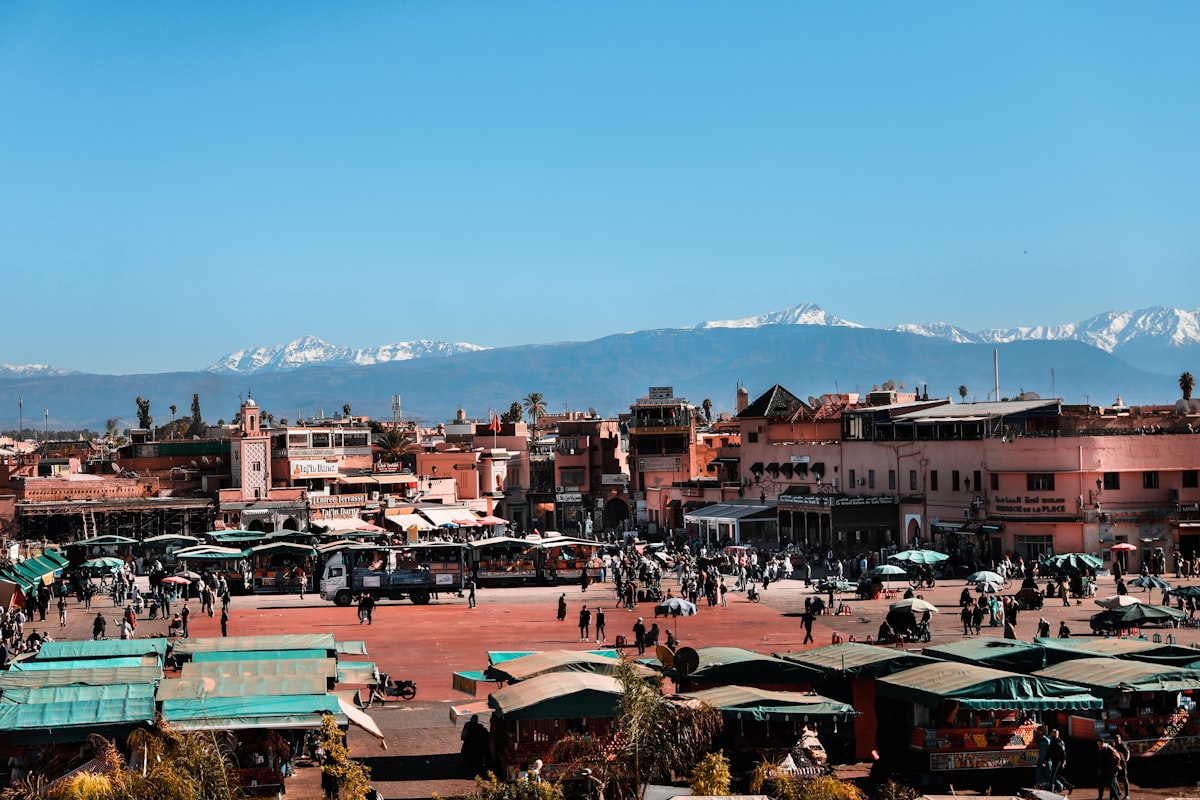
Fez is often considered Morocco’s culinary capital — its medina preserves the most traditional cooking. Marrakech offers the most spectacular food theatre, particularly at Djemaa el-Fna square at night. Essaouira is the best destination for fish and seafood.
Moroccan cuisine is a reminder that food is never just food — it is history, geography, religion, and generosity made edible. Explore more food culture from around the world on CulturalDiaries.