
7 Days in Jordan: Petra, Wadi Rum & Bedouin Culture
Amman · Petra · Wadi Rum · Aqaba · Dead Sea
Jordan is the Middle East’s most accessible destination — a small, safe, and extraordinarily welcoming country containing some of the ancient world’s most spectacular sites. The rose-red city of Petra alone justifies the journey; the Martian desert of Wadi Rum and the saline silence of the Dead Sea make it one of the world’s most visually diverse 7-day journeys.
Quick Reference
| Best Time | March–May or September–November (comfortable temperatures; Wadi Rum is brutal in summer) |
| Daily Budget | USD 60–100/day mid-range |
| Currency | Jordanian Dinar (JOD). Cash widely needed outside Amman. |
| Visa | Jordan Pass (~$120, includes visa + entry to 40 sites including Petra) is excellent value. |
| Jordan Pass | Buy at jordanpass.jo before arrival — includes visa + 1, 2, or 3 days in Petra. Pays for itself immediately. |
| Key Custom | Modest dress essential outside tourist areas. Accept hospitality — Bedouin generosity is sacred. |
Day-by-Day Itinerary
Day 1 — Amman: The Layered City
The Citadel and Roman Theatre
Amman’s Citadel (Jabal al-Qal’a) has been continuously occupied since the Bronze Age. The Umayyad Palace (8th century AD), the Roman Temple of Hercules (162 AD — its giant hand fragment is extraordinary), and sweeping views of Amman spreading across 20+ hills in all directions. Below: a perfectly preserved Roman theatre seating 6,000, still used for concerts. The adjacent Jordan Museum houses the Dead Sea Scrolls — the oldest known biblical manuscripts.
Rainbow Street and Jordanian Food
Rainbow Street in Jabal Luweibdeh is Amman’s most characterful neighbourhood — independent cafes, bookshops, and galleries in buildings from the 1940s–60s Jordanian modernism period. Essential food: mansaf (lamb cooked in fermented dried yoghurt sauce on a bed of rice — Jordan’s national dish, eaten at celebrations with bare hands from a communal platter), falafel at the famous Hashem Restaurant (open since 1952, serves nothing but falafel, hummus, ful — $3 per person).
Days 2–4 — Petra: The Rose-Red City
Day 2 — The Siq and the Treasury
Enter through the Siq — a 1.2km narrow canyon of rose-red sandstone walls up to 80 metres high, carved by the Wadi Musa stream. The Siq was the ceremonial processional entrance to Petra; Nabataean traders, Roman legions, and Byzantine pilgrims all walked this same path. Then: the Treasury (Al-Khazneh) appears at the end of the canyon — 40 metres high, carved directly into the sandstone cliff, its columns and pediments as crisp as the day they were cut in the 1st century BC. The photo you have seen a thousand times does not prepare you.
Day 3 — Petra by Night and the Monastery
Petra by Night (Monday, Wednesday, Thursday, 8:30–10:30 PM) — the path to the Treasury lit by 1,500 candles, the silence of the canyon, Bedouin music. Simple and extraordinary. Day 3 morning: the Monastery (Ad-Deir) — a 1-hour uphill walk (800 steps) through rose-rock landscape to a monument larger than the Treasury that receives a tenth of the visitors. The plateau above contains a viewpoint over the Wadi Araba desert and, on clear days, the mountains of Israel.
The Nabataean Civilisation
Petra was the capital of the Nabataean Kingdom — a desert trading empire that controlled the frankincense and spice routes connecting Arabia, India, and the Mediterranean from around 400 BC to 106 AD when Rome annexed it. The Nabataeans were extraordinary hydraulic engineers: in a city with no natural water source, they built cisterns, dams, and channels that collected flash flood water and supplied 30,000 people year-round. Understanding this makes Petra genuinely astonishing.
Days 5–6 — Wadi Rum: The Valley of the Moon
Mars on Earth
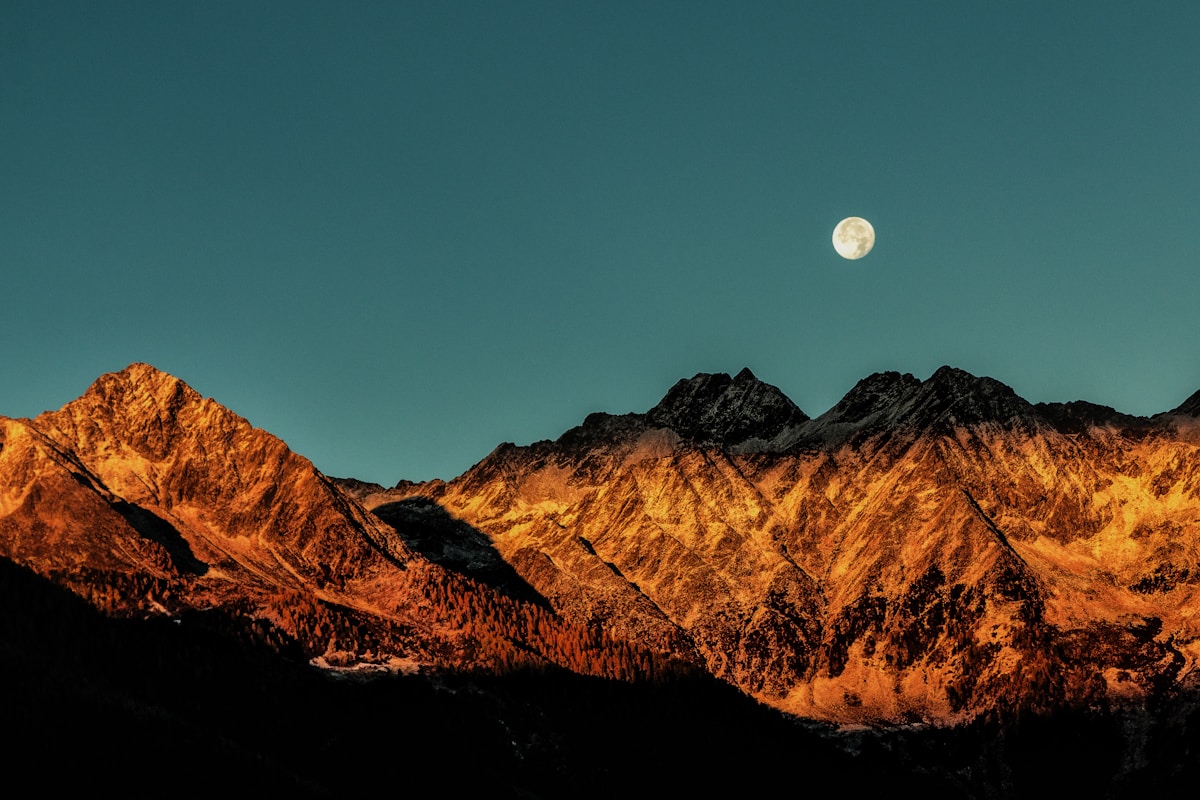
Wadi Rum (UNESCO, 2011) is the most otherworldly landscape in the Middle East — vast red sand desert flanked by towering sandstone massifs, carved by wind and water over millions of years. It was the base for T.E. Lawrence (Lawrence of Arabia) during the Arab Revolt (1917–18), the filming location for The Martian, Dune (2021), Rogue One, and Aladdin. The Bedouin tribes who have inhabited this desert for centuries still live here, guiding tourists in jeeps by day and hosting them in camps under stars at night.
Overnight Bedouin Camp
Stay overnight in a Bedouin camp (USD 40–80/person, dinner and breakfast included) — sleeping in goat-hair tents or under open sky, eating zarb (meat and vegetables slow-cooked in an underground fire pit), drinking sweet tea, and witnessing one of the world’s finest night skies. The combination of silence, starlight, and ancient landscape is transformative. Sunrise in Wadi Rum — the red cliffs turning from purple to orange as the sun rises — is one of the great natural experiences of the Middle East.
Day 7 — Dead Sea: The Lowest Point on Earth
Floating at 430m Below Sea Level
The Dead Sea is 430 metres below sea level — the lowest point on Earth’s surface. The water is 34% salinity (ten times ocean salinity) — so dense that swimming is impossible; you float involuntarily, unable to sink. Reading a newspaper while floating in the Dead Sea is the clichéd photograph because it is genuinely this strange. The black mud on the shoreline is packed with minerals and has been used medicinally since Cleopatra’s time. The Dead Sea is shrinking at 1 metre per year — visit now.
Cultural Etiquette & Tips
- Hospitality: Jordanian hospitality (karam) is one of the deepest cultural values in the Arab world. If invited for tea or coffee, accepting is mandatory. Refusing hospitality is a genuine insult.
- Dress code: Outside tourist resorts, women should cover shoulders and knees. In Amman’s Rainbow Street neighbourhood, more casual dress is acceptable. In conservative towns and villages, loose full-length clothing is appropriate.
- Greetings: ‘Marhaba’ (hello) and ‘Shukran’ (thank you) are always appreciated. Men shake hands; between men and women, wait for the other person to extend a hand first.
- Photography: Always ask permission before photographing Bedouin people, women, and military sites. Most Jordanians are happy to be photographed with a polite request.
- Friday: The Islamic holy day — many businesses are closed in the morning. Government offices, some museums, and many local restaurants close or operate reduced hours.
Frequently Asked Questions
Is Jordan safe to visit?
Jordan is one of the safest countries in the Middle East for tourists — a stable constitutional monarchy with minimal tourist-targeted crime. The country has avoided the regional conflicts that have affected Syria and Iraq. Standard urban precautions apply in Amman.
How much time should I spend in Petra?
Minimum 2 days, ideally 3. The site covers 264 square kilometres with hundreds of monuments. The Treasury, Street of Façades, and Royal Tombs require half a day. The Monastery requires another half day. Petra by Night (3 evenings per week) is a separate ticket. With 3 days you can explore the lesser-visited areas: Little Petra, the Byzantine Church, and the high places.
What is the Jordan Pass and is it worth it?
The Jordan Pass (~$120) includes a single-entry visa fee ($56) plus entry to 40+ sites — including 1, 2, or 3 days in Petra ($71–119 value). If you are visiting Petra and travelling on a US, UK, AU, or Canadian passport, the Jordan Pass pays for itself immediately. Buy online at jordanpass.jo before arrival.
More Travel Itineraries
Explore more cultural travel itineraries on CulturalDiaries.com — day-by-day guides to the world’s most extraordinary destinations.
One response to “7 Days in Jordan: Petra, Wadi Rum & Bedouin Culture”
[…] Egypt, Jordan: Tipping is very much expected — guides, drivers, restaurant servers, hammam attendants. 10–15% […]