
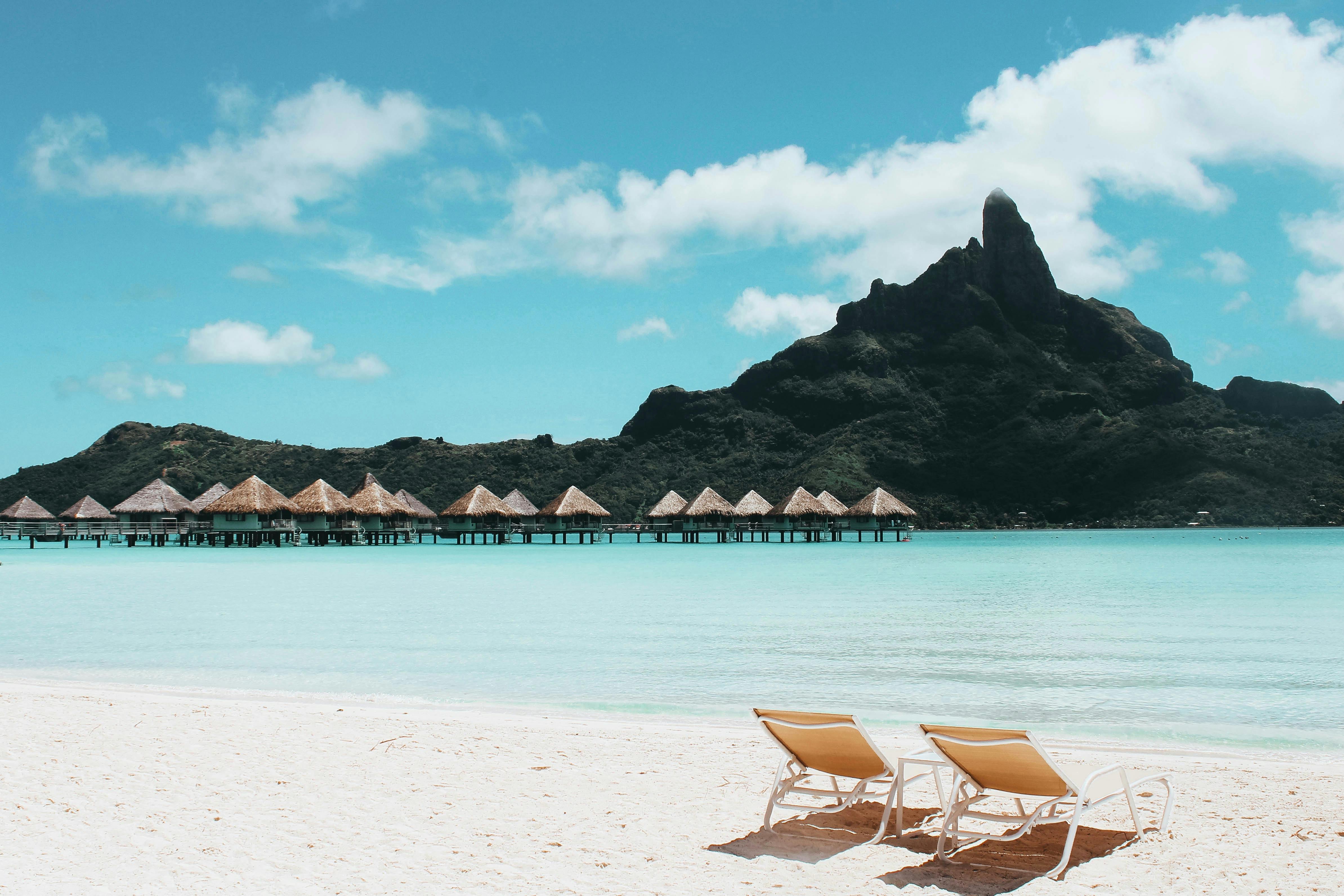
Palawan Philippines ocean paradise is one of Southeast Asia’s last great frontiers — an elongated island province stretching 450 kilometres through the Sulu Sea, where pristine lagoons, underground rivers, and some of the world’s richest marine biodiversity survive in near-perfect condition. Palawan Philippines ocean paradise has earned a string of global travel awards, been named the world’s best island multiple times, and is increasingly regarded as one of the planet’s most irreplaceable natural and cultural treasures.
Why Palawan Is Southeast Asia’s Last Frontier
Palawan’s nickname — the Last Ecological Frontier of the Philippines — is not marketing hyperbole. The province contains roughly 17% of the Philippines’ total land area but holds 40% of its wildlife species and 30% of its mineral resources. Extensive rainforests, mangroves, seagrass beds, and coral reefs survive largely intact here, protected by geography, distance, and some of the Philippines’ strongest environmental legislation.
The Palawan Biosphere Reserve, designated by UNESCO, covers the province’s core and buffer zones. This designation recognises Palawan as a global priority for biodiversity conservation. The Palawan bearcat (binturong), the Palawan hornbill, the Philippine crocodile, and the Irrawaddy dolphin all find refuge here in populations found nowhere else in the Philippines.
El Nido: The Crown Jewel of Palawan’s Ocean Paradise
El Nido, in northern Palawan, is the province’s most famous destination. Its dramatic karst limestone cliffs rise directly from turquoise water, enclosing a network of lagoons, sea caves, white sand beaches, and snorkelling reefs that have made it one of Asia’s most photographed seascapes.
Island-hopping boat tours are the primary way to explore El Nido’s Bacuit Archipelago. Tour A takes visitors to the Big and Small Lagoons — where kayakers paddle through narrow rock fissures into enclosed turquoise basins. Tour C visits the Shimizu Island reef and the Cathedral Cave. Tour D explores the Cadlao Lagoon and the spectacular Snake Island sand bar that emerges during low tide.
El Nido is not just scenery. Its waters contain extraordinarily diverse coral reefs with excellent visibility. Napoleon wrasse, blacktip reef sharks, turtles, and vast schools of snapper patrol the reef systems. Beyond this, the nesting sites of the edible-nest swiftlet — whose nests are harvested for bird’s nest soup — gave El Nido its name (nido means “nest” in Spanish).
Coron: Wreck Diving in Palawan’s World War II Graveyard
Coron, in northern Palawan’s Calamian group, holds a very different kind of ocean treasure. In September 1944, US Navy aircraft sank a fleet of 24 Japanese ships — tankers, supply vessels, and military transports — anchored in the bay. These wrecks now lie between 10 and 40 metres deep, forming one of the world’s premier wreck diving destinations.
The Okikawa Maru, at 170 metres long, is the largest wreck — a massive oil tanker now covered in hard and soft corals. The Irako is a refrigerator ship filled with ceramic bowls, bottles, and engine room machinery still perfectly in place 80 years after it sank. The Kogyo Maru lies upright with its cargo hold intact, including tractors, artillery shells, and gas masks. Each wreck is a time capsule and an ecological reef, teeming with fish, sea turtles, and macro life.
Coron also has stunning freshwater lakes surrounded by limestone cliffs. Kayangan Lake — reached by a short cliff-top trek — is considered the Philippines’ cleanest lake. Its clear water reveals submerged limestone formations and shoals of juvenile fish. Barracuda Lake, nearby, has a remarkable thermocline where cold freshwater sits above warm saltwater, creating a disorienting visual shimmer for swimmers.
Puerto Princesa Underground River: A UNESCO Natural Wonder
The Puerto Princesa Subterranean River National Park is one of the Philippines’ two UNESCO World Heritage Sites. The underground river system extends for 8.2 kilometres beneath St Paul Mountain Range, flowing through a spectacular cave before emerging into the sea. In 2012, it was voted one of the New Seven Wonders of Nature.
Visitors travel by motorised banca (outrigger boat) into the cave entrance — a cathedral-like opening in the limestone cliff — and float through enormous chambers illuminated by headlamps. Stalactite formations hang from cathedral-high ceilings. Blind swiftlets navigate by echolocation in the darkness. The cave holds multiple chambers — including the Italian’s Chamber, Chinese Wall, and Garden of Eden — each with its own geological character.
The surrounding national park protects one of Asia’s most intact lowland forest ecosystems. Monitor lizards bask on the beach approach to the cave entrance. Macaques watch from the tree canopy. The mangrove forest at the river mouth shelters juvenile fish, kingfishers, and saltwater crocodiles. Access is by permit only — visitor numbers are strictly controlled to protect this irreplaceable site.
Indigenous Peoples of Palawan
Palawan is home to several distinct indigenous peoples who have lived here long before the Spanish colonisation of the Philippines. The Tagbanwa, Palaw’an, Molbog, and Batak peoples each have their own languages, cosmologies, and relationships with the forest and sea.
The Tagbanwa, who live around Coron island and inland Palawan, are one of the oldest ethnic groups in the Philippines. They hold sacred rights over Coron Island’s lakes — including Kayangan Lake — which they manage as traditional custodians. Visitors are permitted access under terms set by the Tagbanwa community, whose permission fees fund community welfare programmes.
The Batak, forest dwellers of central Palawan, are among the most culturally distinct groups. Their deep knowledge of forest medicines, hunting techniques, and seasonal ecology represents a body of ecological intelligence accumulated over thousands of years. Conservation organisations work with Batak communities to document and protect this knowledge while supporting community livelihoods.
Practical Guide to Visiting Palawan Philippines Ocean Paradise
The best time to visit Palawan is November to May — the dry season. June to October brings the southwest monsoon (habagat), with rough seas that can disrupt island-hopping and close some routes entirely. El Nido and Coron both have airports with direct flights from Manila (1.5 hours). Puerto Princesa has the largest airport with the most frequent services.
- Respect environmental permits: El Nido and Puerto Princesa Underground River charge environmental fees. Pay them — they fund conservation directly.
- Use reef-safe sunscreen: Chemical sunscreens damage Palawan’s coral. Use mineral-based alternatives or rash guards.
- Book early for peak season: December to February is extremely busy. Accommodation in El Nido sells out weeks in advance during this period.
- Support Tagbanwa-run tours in Coron: Community-run tours at Coron Island ensure that custodians benefit directly from visitors to their ancestral territory.
Frequently Asked Questions
Is El Nido or Coron better?
Both offer extraordinary experiences but with different characters. El Nido excels for lagoon scenery, island-hopping, and beach life. Coron is the premier wreck diving destination and has the dramatic lake landscapes. If possible, visit both. A passenger ferry connects the two (approximately 4 hours).
How many days do you need in Palawan?
A week is the minimum to experience Palawan’s main highlights: 3 nights in El Nido for island-hopping, and 3 nights in Coron for wreck diving and lake exploration. Add Puerto Princesa and the Underground River for a 10-day trip covering the full breadth of Palawan Philippines ocean paradise.
What diving experience is needed for Coron wrecks?
Most Coron wrecks are accessible to open-water certified divers. Some of the deeper wrecks (30–40 metres) require advanced open-water or wreck diving certification. Many dive shops in Coron offer PADI advanced courses for those who want to access the full range of sites.
You Might Also Enjoy
- 7 Days in the Philippines: Manila, Palawan and the Visayas Itinerary
- Philippine Culture: 7,641 Islands, 180 Languages, One Archipelago
- The Great Barrier Reef: Natural Wonder and Cultural Heritage Under Threat
- 7 Days in Bali: Temples, Rice Terraces and Sacred Beaches Itinerary
- 7 Days in Australia: Sydney, Great Barrier Reef & Uluru Itinerary